

Disputes are a fact of life in business, construction, partnerships, and beyond. But the idea that every conflict must end up in a courtroom? That’s an expensive myth. Alternative dispute resolution (ADR) has quietly become one of the most effective and widely respected tools for settling disagreements outside of litigation. And for good reason.
Whether you’re a contractor dealing with a payment dispute, a small business owner navigating a partnership breakdown, or a developer facing a project claim, understanding your ADR options can save you time, money, and relationships that would otherwise be collateral damage in a lengthy legal battle.
What Is Alternative Dispute Resolution?
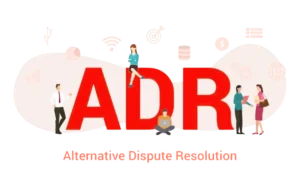
Alternative dispute resolution is an umbrella term for any process that helps parties resolve conflicts without going to trial. It includes mediation, arbitration, negotiation, and conciliation each suited to different types of disputes and situations.
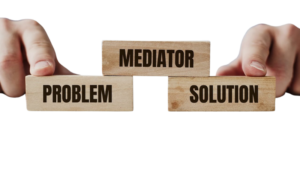
Among these, mediation services stand out as particularly valuable. In mediation, a neutral third party a legal mediator facilitates structured conversations between the disputing parties. The mediator doesn’t impose a decision. Instead, they guide each side toward understanding the other’s position and finding a mutually acceptable resolution.
This distinction matters. Mediation puts the outcome in the hands of the people actually involved in the dispute not a judge or arbitrator who may have little context about the nuances of your industry or relationship.
Why Resolve Conflicts Through Mediation Instead of Litigation?
The case for mediation over litigation isn’t just philosophical, it’s practical.
Cost savings are substantial. Court proceedings involve attorneys’ fees, filing costs, discovery expenses, and the opportunity cost of time spent preparing for trial rather than running your business. Mediation typically resolves disputes at a fraction of that cost.
Speed is another major advantage. A civil lawsuit can drag on for years. Mediation, by contrast, often resolves disputes in a matter of days or weeks. For businesses, that speed means less disruption, faster closure, and a quicker return to normal operations.
Confidentiality protects all parties. Court proceedings are generally public record. Mediation sessions are private. That confidentiality encourages honest conversation, parties can speak freely without fear that their words will be used against them later or become public knowledge.
Relationships can survive. When two companies need to continue working together after a dispute, or when ongoing community or business relationships are at stake litigation tends to burn bridges. The collaborative nature of dispute resolution through mediation creates space for both parties to be heard, which often leads to outcomes both sides can accept and move forward from.
How Mediation Services Work in Practice
The mediation process typically begins with an introductory session where the legal mediator explains the ground rules and each party outlines their perspective. From there, the mediator may meet with each party separately (called caucuses) to explore interests and potential areas of agreement away from the tension of a joint session.
Good mediators bring more than neutrality to the table. Experienced professionals like Arthur T. House bring deep industry knowledge particularly in construction, engineering, and project development that allows them to quickly understand the technical and commercial context of a dispute. That subject-matter fluency can make the difference between a mediation that stalls and one that reaches resolution efficiently.
Critically, any agreement reached through mediation is voluntary. Parties are never forced into a settlement. This voluntary nature is what makes mediated agreements so durable when people choose their resolution rather than having it imposed on them, they’re far more likely to honor it.
ADR for Construction and Small Business Disputes
Construction disputes are among the most complex and costly conflicts businesses face. Disagreements over project scope, payment, scheduling, defective work, or contract interpretation can quickly escalate. For contractors, subcontractors, and project owners, construction mediation offers a faster path to resolution that keeps projects moving and professional reputations intact.
Small businesses face their own unique pressures. With fewer resources to absorb the cost of prolonged litigation, small business owners need dispute resolution methods that are both effective and economical. Mediation gives small businesses access to a structured, professional process without the financial drain of going to court.
Online mediation has also expanded access significantly. Virtual sessions allow parties in different locations to participate without the logistical cost of travel a practical evolution that makes professional mediation services available to a wider range of clients.
The Role of a Proactive Standing Mediator
One of the most underutilized tools in conflict management is the standing mediator a neutral professional engaged before disputes arise, not after. By establishing a relationship with a mediator at the outset of a project or business relationship, parties create a built-in dispute resolution pathway that can prevent minor disagreements from escalating into major conflicts.
This proactive approach to conflict avoidance reflects a broader shift in how sophisticated businesses think about risk management. Resolving conflicts early or avoiding them altogether is almost always less expensive and less disruptive than waiting until a dispute becomes entrenched.
Frequently Asked Questions About Alternative Dispute Resolution
What is the difference between mediation and arbitration? Mediation is a facilitated negotiation where a neutral third party helps the disputing parties reach their own agreement the mediator has no decision-making authority. Arbitration is more adjudicative: the arbitrator hears evidence and arguments, then issues a binding (or non-binding, depending on the agreement) decision. Mediation is generally preferred when preserving relationships and maintaining control over the outcome are priorities.
Is a mediated agreement legally binding? Yes, once both parties sign a written settlement agreement following mediation, that agreement is typically enforceable as a contract. In some jurisdictions, mediated agreements can also be submitted to a court for formal judgment. Your attorney can advise on the enforceability rules in your specific jurisdiction.
How long does mediation take? Many disputes are resolved in a single day or across two to three sessions. More complex matters particularly large construction or commercial disputes may require additional sessions. Even so, mediation almost always concludes far faster than litigation.
Do I need a lawyer to participate in mediation? You are not required to have legal representation to participate in mediation, though consulting an attorney before and after mediation is always advisable. A legal mediator is not your attorney and does not provide legal advice they facilitate the process impartially.
Can mediation work even if both parties are angry? Absolutely. Strong emotions are normal in disputes, and skilled mediators are trained to de-escalate tension and redirect conversations toward productive problem-solving. The structured environment of mediation actually helps manage conflict better than unassisted negotiation.
What kinds of disputes are best suited to mediation? Construction claims, contract disagreements, business partnership disputes, commercial real estate conflicts, and small business disputes are all well-suited to mediation. Essentially, any dispute where both parties have something to gain from a negotiated resolution and something to lose from prolonged litigation is a strong candidate.
Choosing the Right Mediation Professional like Arthur
Not all mediators are alike. When evaluating mediation services, look for a professional with relevant industry experience, formal mediation training and certification, and a track record of successfully facilitating complex disputes.
Arthur T. House brings over 45 years of experience in construction, engineering, and project development advisory work, combined with formal legal education and certification as a mediator in the Maine judicial system. That combination of hands-on industry knowledge and professional mediation expertise is rare and it’s exactly what makes the difference when disputes involve technical, commercial, and human dimensions all at once.
The Bottom Line
Disputes don’t have to derail your business or drain your resources. Alternative dispute resolution and mediation in particular offers a proven, cost-effective, and dignified way to resolve conflicts and move forward. The key is knowing your options and engaging a qualified legal mediator before a disagreement becomes a crisis.
If you’re facing a dispute or want to put proactive conflict avoidance measures in place, contact Arthur House to explore how professional mediation services can work for your situation.
One Response