

Conflict is uncomfortable. Whether it surfaces in a business partnership, a construction contract, or a commercial relationship, most people want the same thing when disputes arise a fair resolution, as quickly and painlessly as possible. The problem is that the traditional path to resolving and closing conflicts, the courtroom, is rarely quick or painless.
That’s exactly why more businesses and individuals are turning to professional mediation services. It’s a structured, confidential, and voluntary process that puts resolution back in the hands of the people who actually need it not a judge who may have only hours to understand a dispute that took years to build.
The Real Cost of Leaving Conflicts Unresolved
Before exploring how to resolve conflicts effectively, it’s worth understanding what happens when you don’t.
Unresolved disputes drain resources in ways that aren’t always obvious. There’s the direct cost legal fees, court filings, expert witnesses. But there’s also the indirect cost: the time your team spends preparing instead of working, the strain on business relationships, the distraction from the actual work of running a company. In construction and project development especially, disputes that linger can hold up projects, delay payments, and damage reputations across an entire industry network.
The longer a conflict festers, the harder it becomes to resolve. Positions harden. Communication breaks down. What started as a manageable disagreement becomes an entrenched battle where both sides are more focused on winning than on finding a workable outcome.
Engaging a legal mediator early before that entrenchment sets in is almost always the better move.
What Resolution and Conflict Management Actually Looks Like
Effective resolution and conflict management isn’t about one party “winning.” It’s about both parties reaching an agreement they can live with and move forward from. That’s the foundation of mediation.
In mediation, a neutral third party the mediator facilitates structured communication between the disputing parties. The mediator doesn’t issue rulings or take sides. Their role is to help each party articulate their interests, understand the other side’s perspective, and explore options that neither party might have considered on their own.
The process typically unfolds in stages: an opening session where each side shares their position, joint discussions to identify the core issues, and private caucuses where the mediator meets separately with each party to dig into concerns that might be difficult to raise face-to-face. This combination of open dialogue and private conversation is what makes mediation so effective at breaking through the impasse that so often keeps disputes alive long past their useful life.
Critically, nothing in mediation is imposed. Any agreement reached is voluntary which is precisely why mediated settlements tend to hold. When people choose their resolution rather than having it handed down to them, they’re far more invested in honoring it.
Why a Legal Mediator Makes the Difference
Not everyone who calls themselves a mediator brings the same depth of expertise to the table. A skilled legal mediator combines formal training in dispute resolution with real-world knowledge of the industries and relationships where disputes most commonly arise.
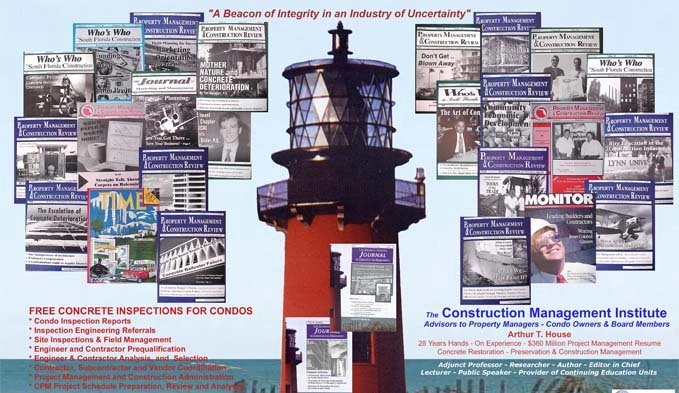
Arthur T. House brings over 45 years of hands-on experience in construction, engineering, and project development the industries where contract disputes, payment claims, and scope disagreements are most costly and complex. Paired with formal legal education and certification as a mediator in the Maine Judicial Branch, that background means he can quickly understand not just the people in the room but the technical and commercial landscape surrounding the dispute.
That subject-matter fluency matters more than most people realize. A mediator who understands construction contracts, project sequencing, and the commercial pressures facing contractors and owners can ask the right questions faster, identify realistic options sooner, and guide parties to resolution without spending hours getting up to speed on industry context.
Mediation Services for Construction and Small Business Disputes
Two categories of disputes where professional mediation delivers especially clear value are construction claims and small business conflicts.
Construction disputes often involve multiple parties owners, general contractors, subcontractors, designers each with their own contract, their own perspective, and their own financial stake. Litigation in this environment can be extraordinarily expensive and slow. Construction mediation keeps projects moving, preserves working relationships across the supply chain, and resolves disputes at a fraction of the cost of going to court.
Small business disputes carry their own pressures. With limited resources and no dedicated legal team, small business owners can’t afford the attrition of a prolonged legal fight. Mediation levels the playing field providing access to a structured, professional process that doesn’t require deep pockets to engage.
For clients who can’t easily travel or who prefer a more flexible format, online mediation offers the same structured process via virtual sessions, removing geographic barriers without sacrificing quality or confidentiality.
Conflict Avoidance: The Most Underrated Strategy
The most effective way to resolve conflicts is to prevent them from escalating in the first place. This is where the concept of a standing mediator becomes genuinely powerful.
A standing mediator is a neutral professional engaged proactively before disputes arise as part of a project or business agreement. When friction surfaces (and in any complex project, it will), there’s already a trusted, neutral resource in place to facilitate resolution before positions harden into formal claims.
This approach to conflict avoidance reflects how the most sophisticated businesses now think about risk management. Preventing a dispute from escalating costs far less in time, money, and relationship capital than resolving one after it’s fully formed.
Frequently Asked Questions
What’s the difference between mediation and going to court? In court, a judge or jury makes a binding decision after hearing arguments from both sides. In mediation, the parties themselves reach a voluntary agreement with the help of a neutral mediator. Mediation is private, faster, far less expensive, and gives both parties much greater control over the outcome.
How do I know if my dispute is suitable for mediation? Most civil and commercial disputes are good candidates for mediation including contract disagreements, construction claims, business partnership disputes, payment conflicts, and scope-of-work disagreements. If both parties have something to gain from a negotiated resolution and something to lose from prolonged litigation, mediation is worth pursuing.
Does the mediator decide who is right? No. A mediator is not a judge or arbitrator. They don’t evaluate evidence or issue decisions. Their role is to facilitate communication and help both parties find their own agreement. This neutrality is what makes the process trusted by both sides.
Is what I say in mediation confidential? Yes. Mediation is a confidential process. Discussions that take place during mediation generally cannot be used as evidence in court, which encourages open and honest communication. This is one of mediation’s most important features and a major reason parties are willing to engage candidly.
What happens if we don’t reach an agreement in mediation? If mediation doesn’t produce a settlement, the parties are free to pursue other options, including litigation or arbitration. Participation in mediation doesn’t waive any legal rights. That said, the structured process of mediation often surfaces areas of agreement and clarifies the real issues, which can make subsequent proceedings faster and more focused even if no settlement is reached.
How much does mediation cost compared to litigation? Mediation is significantly less expensive than litigation in virtually all cases. There are no court filing fees, no discovery costs, and the process typically concludes in days or weeks rather than months or years. For businesses of any size, the financial case for attempting mediation before pursuing litigation is compelling.
Ready to Resolve Your Dispute?
If you’re dealing with an active conflict or want to put proactive dispute resolution measures in place, Arthur House offers a free initial consultation to discuss your situation confidentially.
With decades of industry experience, formal legal training, and a track record of helping parties find durable resolutions, Art House brings exactly the combination of skills and knowledge that complex disputes demand.
Contact Arthur House today to start the conversation and take the first step toward resolution.
One Response