

Let’s be honest. Nobody wakes up wanting a dispute everyone wants to resolve conflicts
Whether it’s a contractor who walked off the job mid-project, a business partner who stopped returning calls, or a payment that never showed up conflict has a way of pulling your attention away from everything else that matters. You stop focusing on your business. Sleep gets harder. You start running through conversations in your head at 2 a.m. that you’ve already had a dozen times.
And then someone tells you to “get a lawyer,” and suddenly a manageable disagreement starts to feel like a full-blown crisis.
Here’s what most people don’t know: there’s a better path. Professional mediation services exist precisely for this moment when a dispute needs real resolution and conflict feels too personal, too complicated, or too expensive to hand over to a courtroom.
Why Disputes Rarely Solve Themselves
The instinct when conflict arises is usually to either confront it head-on or avoid it entirely. Most people default to one or the other, and neither tends to work.
Avoidance just gives the dispute more time to grow. The other party digs in. Documentation piles up on both sides. What could have been resolved with a frank conversation becomes a formal claim. And then the legal fees begin and they rarely stop until both sides are exhausted.
The confrontational approach has its own problems. When emotions are running high, direct negotiations between the two parties often go sideways fast. You say something that can’t be unsaid. They escalate. Now you’re not just disagreeing over a contract you’re dealing with a relationship that’s been permanently damaged.
What’s missing in both scenarios is structure, neutrality, and a process designed specifically to help people resolve conflicts without making things worse.
That’s exactly what mediation provides.
What Mediation Services Actually Do
Think of a mediator as a trained guide. Not a judge. Not an arbitrator who will listen to both sides and hand down a verdict. A guide someone whose entire job is to help two parties in conflict communicate clearly, understand each other’s real concerns, and find an outcome they can both accept.
The process itself is more straightforward than most people expect. Both parties sit down sometimes together, sometimes separately with the mediator facilitating the conversation. The mediator asks questions. They surface the issues that are actually driving the conflict, which are often different from what each party has put on paper. They help both sides see the situation from a slightly less heated angle.
There’s no winner declared at the end. What you get instead is an agreement one that both parties chose, which means both parties are far more likely to follow through on it.
For anyone dealing with disputes in construction, small business partnerships, contract disagreements, or commercial relationships, this process can mean the difference between a resolution reached in days and a legal battle that drags on for years.
The Thing About Resolution and Conflict Nobody Tells You
Most people assume that resolution and conflict management is about being right. It’s not. It’s about getting to a place where you can move forward.
When you’re stuck in a dispute, your mind naturally focuses on proving your case making sure the other side (and everyone watching) understands that you were in the right. That instinct is human and understandable. But it’s also the thing that keeps disputes alive long past the point where they could have been settled.
A good mediator gently shifts that focus. Instead of asking “who’s right?”, the conversation moves toward “what does each party actually need here, and is there a way to meet those needs without going to trial?”
That reframe doesn’t come naturally in the middle of a conflict. But with the right guidance, it changes everything.
Who Mediation Works Best For
Mediation isn’t right for every situation. But it works remarkably well for a wide range of disputes including ones people assume are too complex or too far gone.
Construction disputes are one of the most common use cases. Payment disagreements, change order conflicts, scope disputes, and contractor-subcontractor breakdowns are all situations where mediation consistently delivers faster, cheaper resolution than litigation. Construction relationships are often ongoing the same parties work together project after project which makes preserving the relationship even more valuable.
Small business owners are another group who benefit enormously. Without the resources of a large corporation, a prolonged legal fight can be existential. Mediation gives small businesses a professional, structured process for resolving conflicts without draining every dollar of operating budget.
And for anyone who isn’t in the same city as the other party or simply prefers a more flexible format online mediation delivers the same structured, confidential process via video. No travel required.
Don’t Wait Until It’s Too Late
Here’s something worth saying plainly: the best time to engage mediation services is earlier than you think.
Most people wait until a dispute has already become formal a demand letter has been sent, legal counsel has been retained, positions have hardened. At that point, mediation can still work, but it’s harder. Both sides have already spent money and emotional energy staking out their territory.
The earlier a neutral third party gets involved, the more options there are. A conflict that’s just starting to emerge a miscommunication on a project, a disagreement over payment terms, a partnership tension that hasn’t been addressed can often be resolved in a single session before it ever becomes a formal dispute.
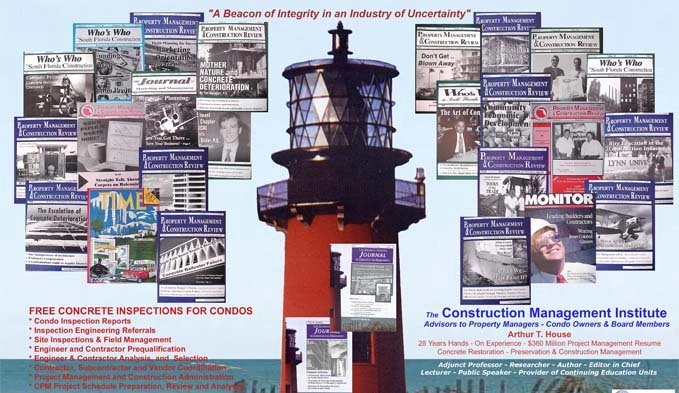
Arthur T. House even offers a standing mediator service for exactly this reason. For $95 per month, businesses and project teams get ongoing access to experienced advisory support and conflict avoidance guidance a proactive resource that helps you manage friction before it becomes a fight. It’s one of the most cost-effective risk management tools available to any business that deals with contracts, projects, or long-term professional relationships.
Frequently Asked Questions About Mediation and Alternative Dispute Resolution
Is mediation legally binding?
Once both parties sign the written settlement agreement that comes out of mediation, that agreement is enforceable as a contract. It’s not a court judgment, but it carries real legal weight. Your attorney can advise you on the specifics for your jurisdiction.
What if the other party refuses to come to mediation?
Mediation is voluntary, so both parties need to agree to participate. That said, many people who are initially resistant come around when they understand the alternative and the costs that come with it. A neutral introductory call with a mediator can sometimes help both parties see the value before any formal commitment is made.
Can mediation work when there’s a lot of emotion involved?
Yes in fact, it’s often most valuable in exactly those situations. Skilled mediators are trained to de-escalate tension and redirect emotionally charged conversations toward productive problem-solving. The structure of the process itself helps; having a neutral third party in the room changes the dynamic significantly.
How long does a typical mediation take?
Many disputes are resolved in a single day. More complex matters may require two or three sessions. Either way, you’re almost certainly looking at weeks rather than the months or years that litigation typically demands.
Does mediation replace my attorney?
No. A mediator is neutral and doesn’t provide legal advice to either party. It’s always a good idea to consult with an attorney before and after mediation to understand your rights and review any agreement before signing.
What kinds of disputes are best suited to mediation?
Contract disagreements, construction claims, payment disputes, business partnership conflicts, scope-of-work disagreements, and commercial relationship breakdowns are all strong candidates. If both parties have more to gain from a negotiated resolution than from a prolonged legal fight and that’s most situations mediation is worth pursuing.
THE BOTTOM LINE
Disputes are stressful. They’re expensive. They take up mental and emotional space that you’d rather spend on something else.
But they don’t have to end up in a courtroom, and they don’t have to drag on for years. With professional mediation services, it’s possible to resolve conflicts in a way that’s faster, more affordable, and maybe most importantly something both parties can actually live with.
If you’re in the middle of a dispute or want to put smarter conflict management in place before one arises, Arthur House offers a free, confidential consultation to discuss your situation and explore your options.
Reach out today because the sooner you start, the more options you have.
Disclaimer: Arthur T. House holds a law degree, serves as Adjunct Law Faculty, and is a Certified Mediator in the Maine Judicial Branch, but does not practice law as an attorney. Mediation and consulting services are not legal advice. Clients are encouraged to consult a licensed attorney in their jurisdiction.